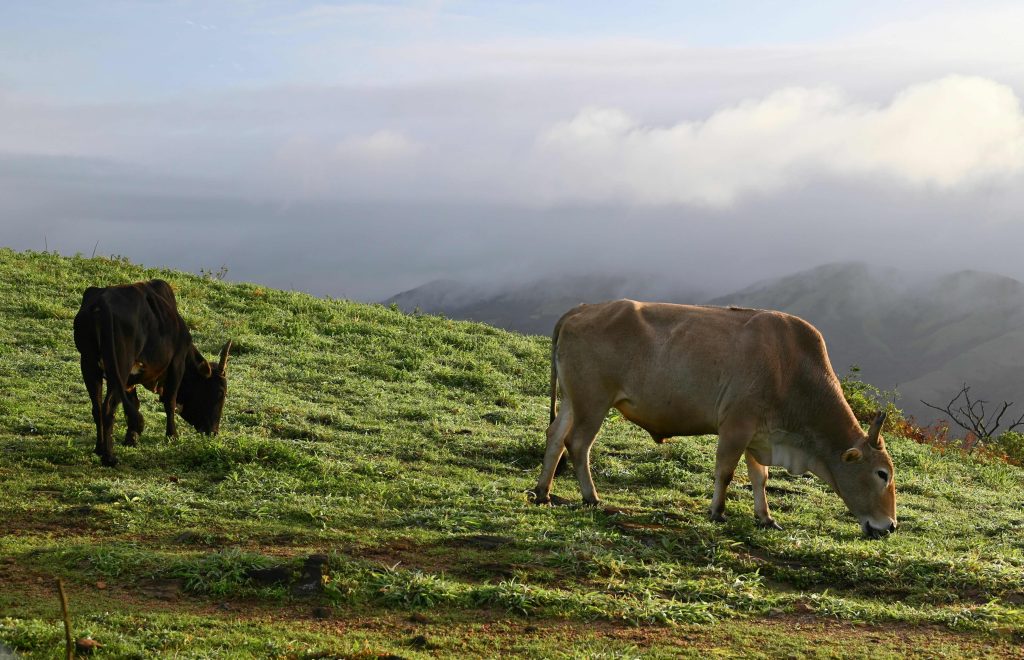
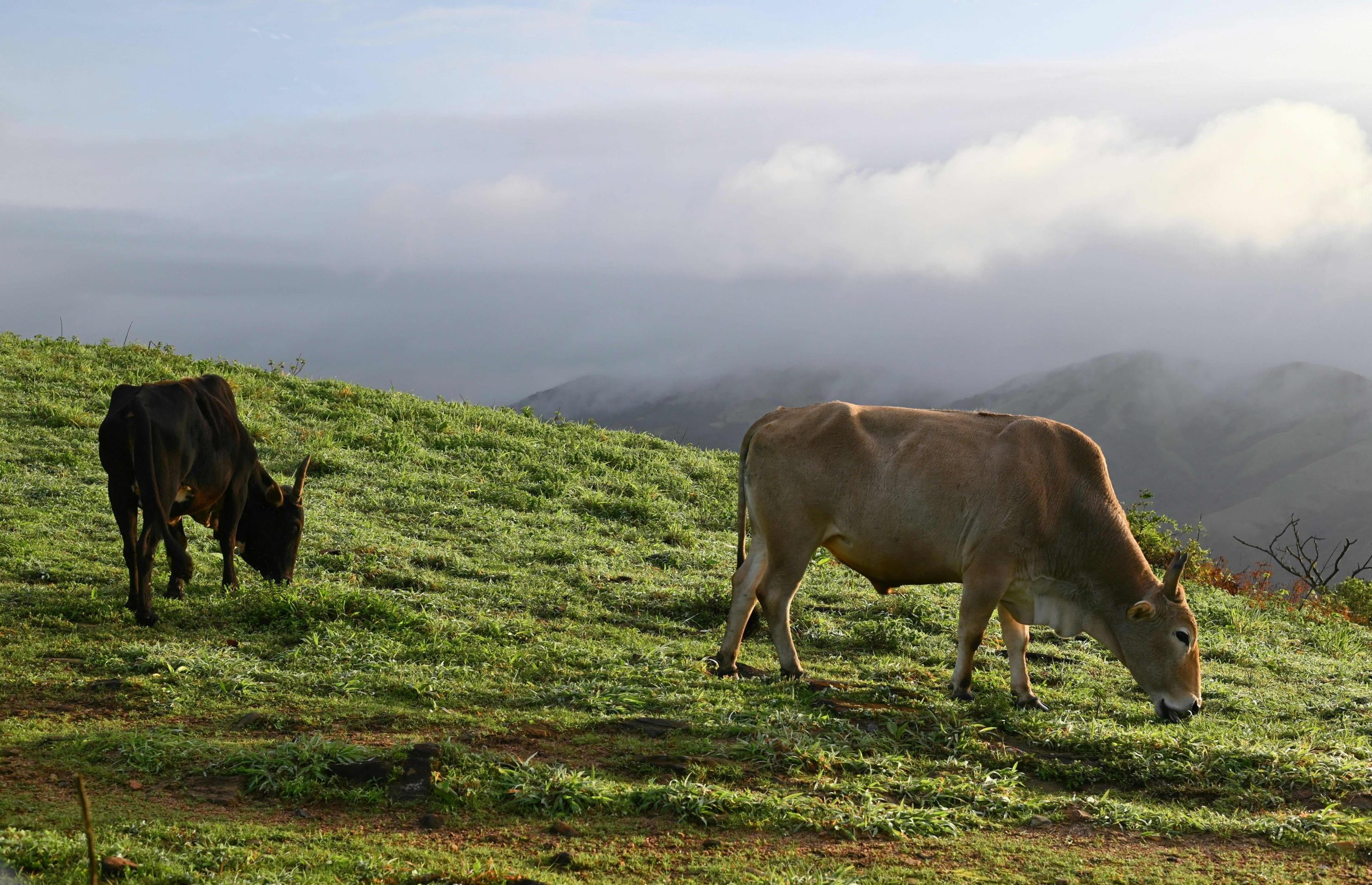
Life on a cattle station or remote property in Australia often means dealing with the challenges of isolation. Reliable electricity supply can be one of the biggest hurdles.
For many properties, connecting to the traditional electricity grid is either impractical or extremely expensive, particularly where long runs of poles, trenching and network upgrades are required.
This is where stand alone solar systems, also known as off grid solar systems, can provide a practical alternative. With modern solar panels, battery storage and inverter technology, remote living no longer has to mean compromising on reliable power.
Why Remote Properties Need Stand Alone Solar
- Distance from the grid In many rural regions, extending the electricity network can be impractical or prohibitively expensive
- Unreliable supply Even where grid power is available, remote properties can be more exposed to outages and network issues
- Generator running costs Diesel or petrol generators can require ongoing fuel, servicing and maintenance
A properly designed stand alone solar power system allows landowners to generate electricity on site, store it in battery storage and use generator backup only when required.
What Is a Stand Alone Solar System?
A stand alone solar system is a complete energy system designed to operate independently from the electricity grid.
It will typically include:
- Solar panels to generate electricity from sunlight
- Battery storage to hold excess energy for use at night and during cloudy periods
- Inverter charger to convert stored DC power into usable AC electricity
- Backup generator where additional support is required during extended poor weather or unusually high demand
For cattle stations and remote properties, these systems can be designed around household loads as well as pumps, refrigeration, workshop equipment and other operational requirements.
Benefits of Stand Alone Solar for Cattle Stations
- Energy independence Generate and store electricity directly on the property rather than relying on fuel deliveries or distant network infrastructure
- Lower long term operating costs Solar generation can reduce routine generator use and ongoing electricity purchases
- Reliable local power Modern batteries and inverter systems can be designed around the station’s actual energy requirements
- Reduced dependence on fossil fuels Solar and battery storage can significantly reduce generator run time
- Scalability Additional solar, battery storage or inverter capacity can be considered as property operations grow
Off Grid Batteries Are at the Heart of the System
For remote properties, battery storage is critical. Solar panels generate energy during daylight hours, while the battery bank keeps essential equipment operating overnight and during lower solar periods.
Modern lithium battery systems such as BYD and Pylontech are commonly considered for compatible off grid installations because they can provide:
- High usable storage capacity
- Modular options for future expansion
- Strong charging and discharging efficiency
- Reduced routine maintenance compared with many older lead acid systems
For a cattle station, battery capacity needs to account for critical loads such as water pumping, refrigeration and communications as well as normal household use.
Real World Applications on Remote Properties
- Homesteads lighting, appliances, internet and communications
- Sheds and workshops tools, lighting, equipment and selected welding loads
- Water pumping bores, troughs and pressure systems
- Cold storage refrigeration and freezers for food, medicine and supplies
- Fencing and security systems supporting livestock management and property safety
The system should be designed around the actual combination of these loads rather than relying on a generic package.
For properties relying on cattle bores and water troughs, understanding bore pump requirements for off grid solar systems is important when planning daily energy consumption and peak power demand.
Key Considerations Before Installing
- Daily energy use Calculate household and operational demand across a normal day
- Seasonal changes Account for changing energy requirements across different times of the year
- Peak demand Pumps, compressors, workshop equipment and other large loads need to be considered when sizing the inverter
- Maintenance access Panels and system equipment should be installed where they can be inspected and serviced
- Future growth Leave room for additional solar, battery storage or inverter capacity where property operations may expand
Rebates and Incentives for Off Grid Solar
Available incentives can change, so current eligibility should always be confirmed before relying on a rebate as part of the project budget.
- Eligible solar installations may be able to access Small scale Technology Certificates
- Current federal battery incentives may apply where the battery system and installation meet the relevant requirements
- Regional, agricultural or industry specific grants may occasionally be available depending on the property and project
A Buyer’s Guide for Remote Properties
- Battery quality and support Choose products with suitable warranty coverage and Australian support
- Installer experience Use an installer experienced in stand alone systems and remote property design
- Scalability Consider whether the system can be expanded as energy demand increases
- Serviceability Remote systems need practical access for monitoring, maintenance and repairs
- Backup planning Generator support may still be appropriate for extended poor solar conditions or emergency use
Designing Around Cattle Station Loads
Cattle stations can have very different power requirements from residential properties, so the energy assessment needs to include operational equipment as well as the homestead.
Important loads may include:
- Bore and transfer pumps
- Water treatment and pressure systems
- Workshop machinery
- Refrigeration and cold storage
- Communications equipment
- Staff accommodation
- Security and monitoring systems
Some of these loads operate for long periods, while others create significant startup surges. Both energy consumption and peak inverter demand need to be considered.
The Future of Remote Power
As solar, battery and inverter technology improves, stand alone power is becoming increasingly practical for remote Australian properties.
Modern systems can provide greater monitoring, improved battery storage and flexible expansion options, making it easier to design power around the way a cattle station or remote property actually operates.
Off grid living no longer has to mean compromising on everyday power. With the right system design, remote properties can support modern appliances, equipment and essential infrastructure without relying on a permanent grid connection.
Talk to Us About Your Remote Property
At Stand Alone Power Systems, we design off grid solar systems around the specific requirements of rural and remote properties.
We assess daily consumption, peak loads, water pumping, workshop requirements, battery autonomy, solar generation and generator backup before specifying the system.
If you are planning power for a cattle station, remote homestead or rural operation, get in touch with us to discuss a stand alone power system designed around the property.