
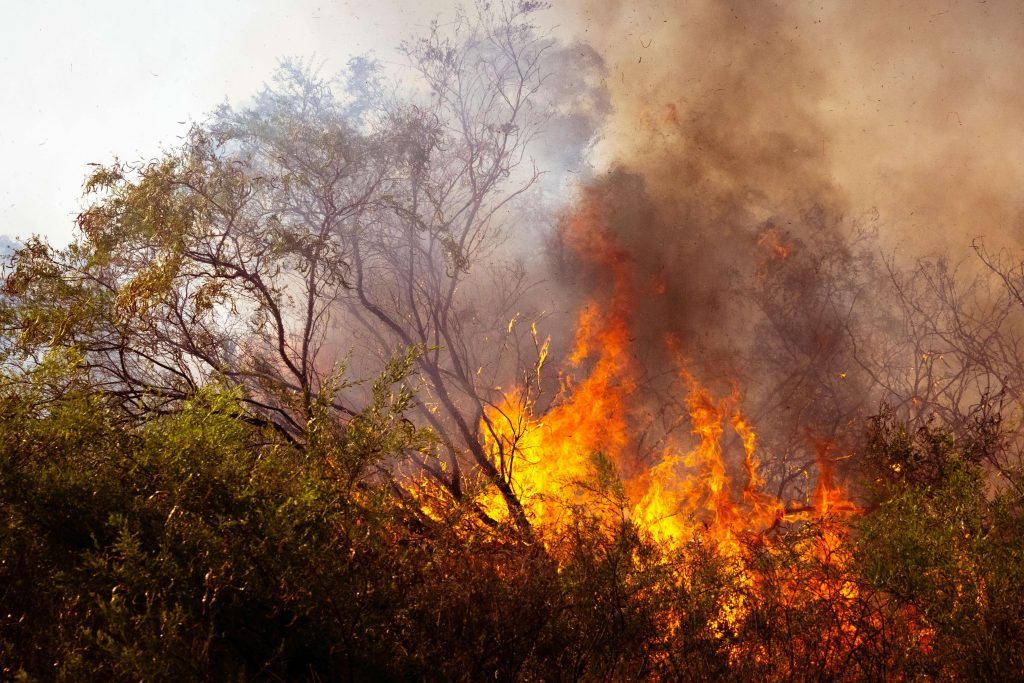
Living in bushfire prone regions of Queensland and across Australia brings unique challenges. Power reliability, safety and independence can become especially important when homes and rural properties are exposed to severe weather and emergency conditions.
For many rural families, an off grid solar system with battery storage can provide an independent source of electricity without relying entirely on long stretches of network infrastructure through fire risk areas.
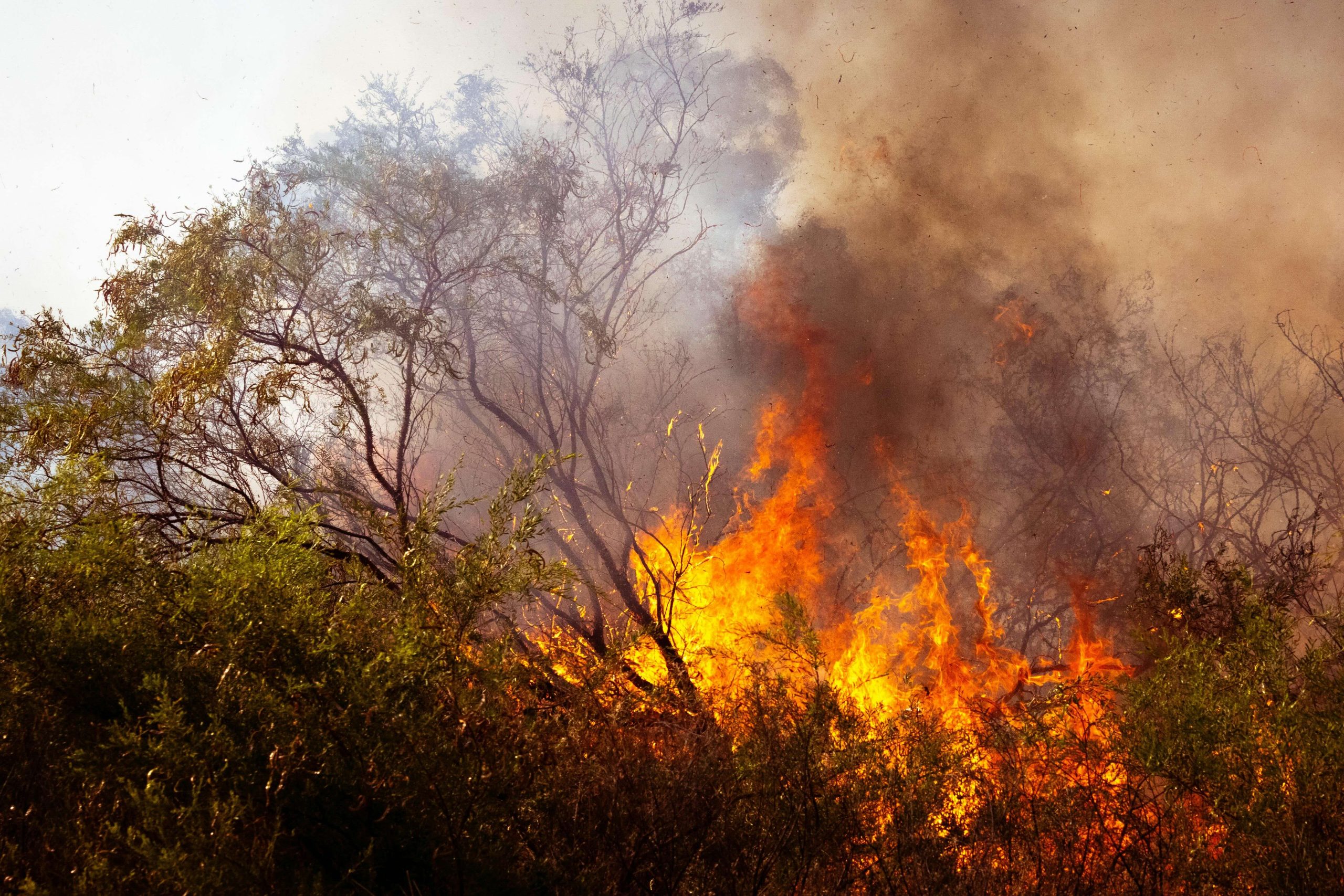
Why Off Grid Solar Matters in Bushfire Prone Areas
Grid Vulnerability During Fire Season
Power infrastructure running through rural and bushland areas can be exposed to fire, storms, falling vegetation and other damage during severe conditions.
A stand alone power system reduces dependence on that external network by generating and storing electricity directly on the property.
Maintaining Power During Outages
During emergencies, network electricity may be unavailable because of infrastructure damage or planned shutdowns. An appropriately designed off grid system can continue supplying essential property loads independently of the local grid.
Key Safety Benefits of Off Grid Solar
- Independent power supply Reduced dependence on external poles, wires and electricity network infrastructure
- Reduced routine generator use Solar and battery storage can reduce how often petrol or diesel backup generation is required
- Power for essential equipment A correctly designed system can support loads such as pumps, refrigeration, lighting and communications during network outages
Off Grid Batteries and Emergency Power
Battery storage is central to an off grid system because it allows solar energy collected during the day to remain available after sunset and during periods of poor weather.
- LiFePO4 batteries are commonly used in modern off grid systems because of their cycle performance and safety characteristics
- Battery systems such as BYD Battery Box and Pylontech US5000 offer modular storage options for compatible installations
- Battery capacity should be sized around essential loads, daily consumption, expected solar production and the required level of autonomy
For properties where pumps, communications or refrigeration are considered essential during emergencies, these loads should be identified during the initial system design.
Cost Benefits Beyond Emergency Preparedness
Off grid solar may also provide financial benefits where a rural property would otherwise require an expensive new grid connection.
- Avoid potentially significant electricity network connection costs
- Reduce dependence on purchased grid electricity
- Reduce routine generator fuel consumption where solar and battery storage provide the majority of daily energy
The long term cost will depend on the property’s energy requirements, battery replacement planning, generator use and the initial cost of grid connection.
Rebates and Incentives for Off Grid Solar
Available incentives can change, so current eligibility should always be confirmed before relying on a rebate as part of the project budget.
- Eligible solar installations may be able to access Small scale Technology Certificates
- Current federal battery incentives may apply where the battery system and installation meet the relevant requirements
Off grid installations can have different accreditation and product requirements, so these should be confirmed with the installer before the system is ordered.
Choosing an Off Grid Solar System for a Bushfire Prone Property
- Size the system around essential loads Identify what needs to remain powered during poor weather or emergency conditions
- Plan the equipment location carefully Batteries, inverters and other equipment should be installed in suitable locations with appropriate clearances and protection
- Include backup where required Generator support may still form part of the system for extended periods of low solar generation
- Use experienced off grid installers Stand alone systems require specialist design around the property, loads, environment and applicable electrical requirements
Planning Essential Loads for Fire Season
For a property in a bushfire prone area, the design should identify which electrical loads are most important if normal conditions are disrupted.
Depending on the property, these may include:
- Water pumps
- Refrigeration and freezers
- Internet and communications equipment
- Lighting
- Security equipment
- Other essential household or property loads
The battery bank and inverter need to be capable of supporting these loads for the required period while still allowing the system to recover when solar conditions improve.
Safety and Reliability in Harsh Conditions
Off grid equipment can be exposed to high temperatures, dust, storms and other demanding conditions, so the installation needs to be designed accordingly.
- Use solar panels and mounting systems appropriate to the site conditions
- Install batteries in a suitable location with the required protection, clearances and ventilation
- Provide safe electrical isolation and protection for major system components
- Allow clear service access so equipment can be inspected and maintained
- Position backup generation appropriately where a generator forms part of the system
Independence and Peace of Mind
A well designed stand alone solar system can give a rural property greater control over its electricity supply and reduce its dependence on external network infrastructure.
- Independent electricity generation and storage
- Continued power for selected loads during network outages
- Reduced routine reliance on generator fuel
- A system designed around the specific requirements of the property
For bushfire prone properties, the goal should be a carefully planned system that supports normal daily living while also considering the loads that become particularly important during emergency conditions.
Talk to Us About Your Off Grid System
At Stand Alone Power Systems, we design off grid solar and battery systems for rural properties across Queensland.
We assess daily energy requirements, essential loads, battery autonomy, inverter capacity, solar generation and backup power as part of the complete system design.
If your property is in a bushfire prone or remote area, we can help you plan a stand alone power system around the site and the way you need to use electricity.