
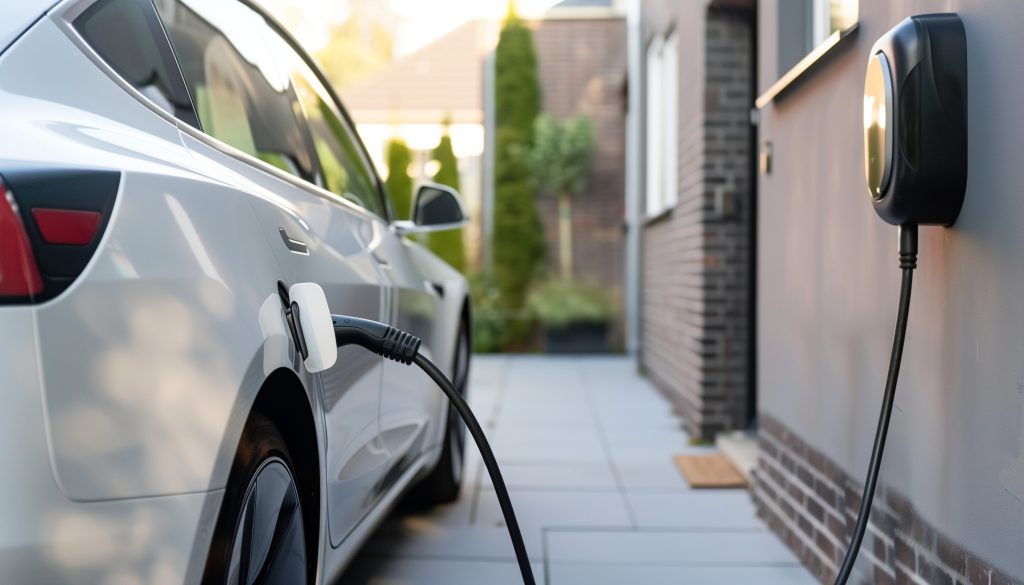
Electric vehicles are becoming an increasingly common part of modern life, offering an alternative to fossil fuel transport. For off grid homes and remote locations, integrating EV charging into a standalone solar system can present challenges, but it is entirely feasible with careful planning.
In this guide, we focus on charging a Tesla Model 3, which typically uses around 8 kWh per day, and explore how to design an off grid solar system to handle EV charging reliably. We cover solar array sizing, battery storage, inverters, load management and practical ways to future proof the system.
Understanding EV Energy Requirements
The Tesla Model 3 is a popular EV choice for many Australians. On average, it consumes about 8 kWh per day for typical daily driving of around 50 to 60 km. Energy use can vary depending on driving distance, terrain, climate control usage and seasonal conditions.
Key considerations
- Daily demand of around 8 kWh for typical use
- The Model 3 Long Range has around 75 kWh usable battery capacity, so occasional longer trips can require significantly more energy
- EV charging is typically around 85 to 90 percent efficient, so the actual draw from the solar system will be slightly higher than the energy stored in the vehicle
Planning for these requirements helps ensure the off grid solar system can accommodate EV charging without compromising household power.
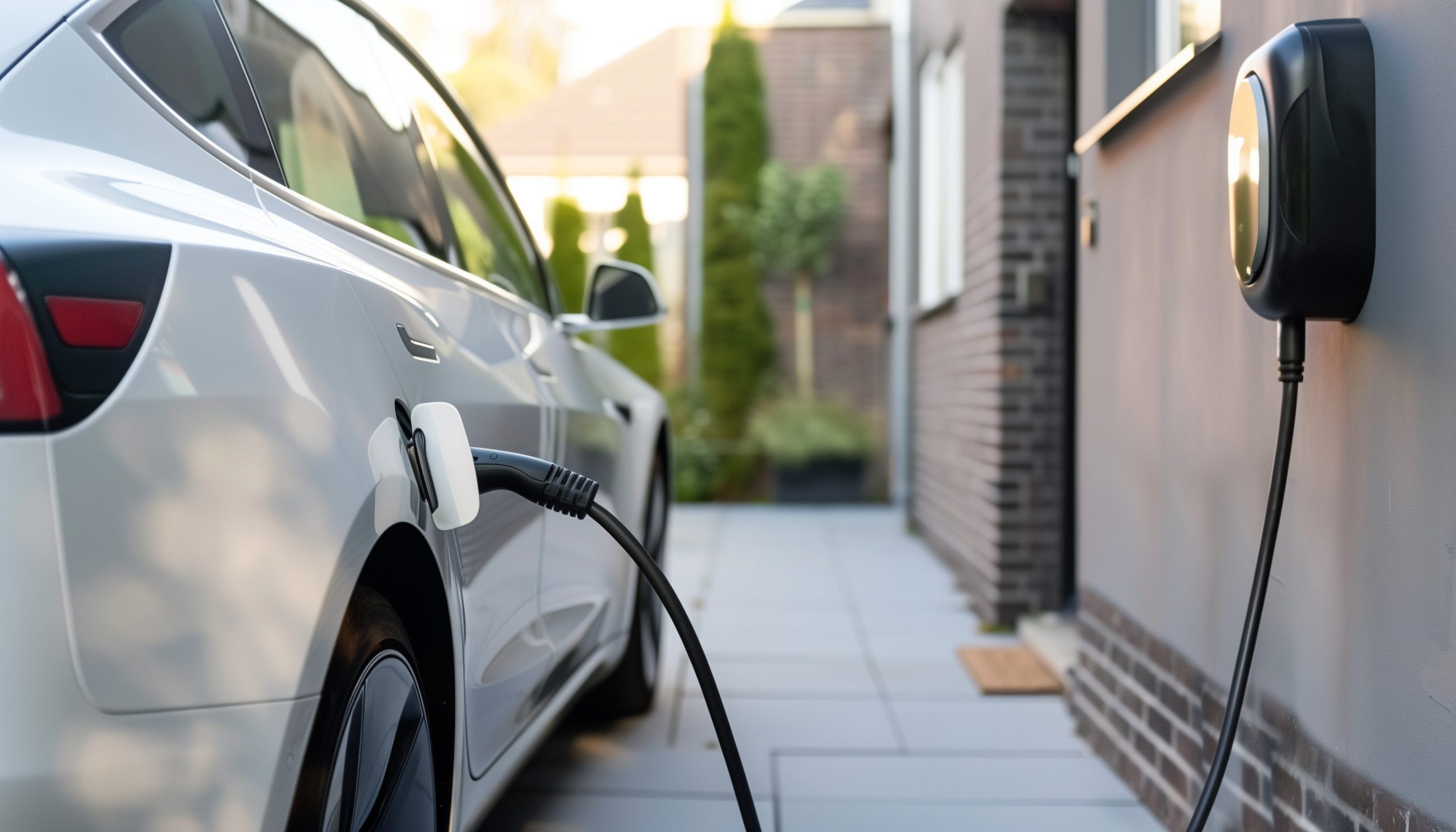
Step 1 Solar Array Sizing for EV Charging
Adding an EV to an off grid home increases overall energy demand. The solar array needs to be sized to generate enough power for household loads as well as the additional vehicle charging requirement.
Calculating solar needs
- Daily household consumption of around 25 to 35 kWh
- Add around 9 kWh per day for the Tesla Model 3
- Total daily requirement of around 34 to 44 kWh
- In Queensland, average solar production may be around 4 to 5 kWh per installed kW per day depending on conditions
For example, generating around 45 kWh per day at an average of 4.5 kWh per installed kW would require roughly a 10 kW solar array.
Allowing an additional 10 to 20 percent for cloudy weather, losses and seasonal variation can provide more design margin. For households planning longer weekend driving, larger solar and battery capacity may also be considered.
Tips for EV integration
- Use efficient panels to maximise production where roof or ground space is limited
- Design the system for expansion if EV use increases or another vehicle is added
- Where practical, charge the EV once the home battery bank is well charged and solar production remains strong
Step 2 Battery Storage Considerations
For reliable off grid EV charging, the battery bank needs enough usable energy for household loads and vehicle charging, especially where charging takes place overnight or during cloudy weather.
Battery sizing
- Daily energy demand of around 24 to 29 kWh
- Two to three days of autonomy is often considered for off grid homes
- LiFePO4 battery systems may allow around 80 to 90 percent usable depth of discharge depending on the product and design
Example calculation
- 25 kWh per day multiplied by two days of autonomy gives 50 kWh of required usable energy
- Allowing for 80 percent usable depth of discharge gives an indicative battery bank of around 62.5 kWh
Battery options
- LiFePO4 batteries are commonly used in EV integrated off grid systems because of their cycle performance and usable capacity
- Modular battery systems allow for future expansion if driving requirements increase
- Battery chemistry and communication need to be compatible with the inverter and charging equipment

Step 3 Inverter Selection and Charging Rate
The inverter manages the flow of electricity between the solar array, battery bank, household loads and EV charger. EV charging can create a significant continuous load, so inverter capacity needs to be considered carefully.
Considerations
- A Tesla Model 3 can charge at up to around 7.5 kW on single phase AC supply
- Off grid systems commonly use single phase inverters in the 5 to 15 kW range depending on household and site loads
- For a 10 kW solar array and moderate household loads, a 5 to 10 kW inverter may suit moderate EV charging depending on what other equipment operates at the same time
- Smart charging can be used to prioritise solar availability and battery state of charge
Tips
- Charge the EV during stronger solar production periods where practical
- Consider EV charging equipment with load management capability
Step 4 Load Management and Smart Control
Off grid systems require careful load management to prevent overloading the inverter or unnecessarily depleting the battery bank.
Strategies
- Time shift EV charging to periods of strong solar production or lower household demand
- Use automatic load management where compatible equipment can reduce non essential loads when battery state of charge becomes low
- Monitor solar generation, household consumption, battery state and EV charging in real time
Step 5 Cabling, Safety and Compliance
Integrating EV charging into an off grid system requires appropriate cabling, circuit protection and electrical safety measures.
Recommendations
- Use a dedicated EV circuit to separate the charging load from other household circuits
- Size cables correctly to manage current and voltage drop
- Ensure the installation complies with applicable Australian electrical and stand alone power system requirements
- Include appropriate surge, fault and protection devices for both the EV charger and off grid equipment
Step 6 Future Proofing for Multiple EVs
Many households may eventually add more than one EV. Designing with that possibility in mind can reduce the cost and complexity of future upgrades.
Considerations
- Allow room for additional solar and battery storage even if the property currently has only one EV
- Consider inverter systems that can be expanded where appropriate
- Use smart load prioritisation so multiple charging loads can respond to battery state and available solar generation
Step 7 Practical Tips for EV Owners Off Grid
- Schedule charging during periods of stronger solar production
- Monitor battery state of charge and avoid unnecessary deep cycling
- Allow for cloudy periods through appropriate battery reserve or generator backup
- Consider solar aware EV chargers that can adjust charging rate based on available generation
- Keep the system modular so panels, batteries or inverter capacity can be expanded later
Planning an Off Grid System for EV Charging
Integrating an EV such as the Tesla Model 3 into an off grid solar system is achievable with the right planning. The solar array and battery bank need to be sized around the combined household and vehicle loads, while the inverter and charging equipment need enough capacity to handle the required charging rate safely.
Smart load management can make a major difference by shifting EV charging into periods of strong solar generation and reducing unnecessary draw from the battery bank.
Planning for future energy growth can also make it easier to add another EV, increase daily driving or upgrade household equipment without rebuilding the entire stand alone power system.
Talk to Us About Off Grid EV Charging
At Stand Alone Power Systems, we design off grid solar systems around the way a property actually uses energy. If EV charging is part of the plan, we can account for the vehicle load alongside household usage, battery autonomy, solar generation and backup requirements.
Whether you are powering a remote home, rural property or another stand alone site, we can help design a system that supports both everyday household loads and EV charging.
Bottom Line
Off grid EV charging requires careful design, but with an appropriately sized solar array, battery bank, inverter and load management strategy, a standalone solar system can support a Tesla Model 3 without relying on grid power.
Planning for future EVs and increasing energy use from the beginning can help maintain long term reliability as the property’s power requirements change.