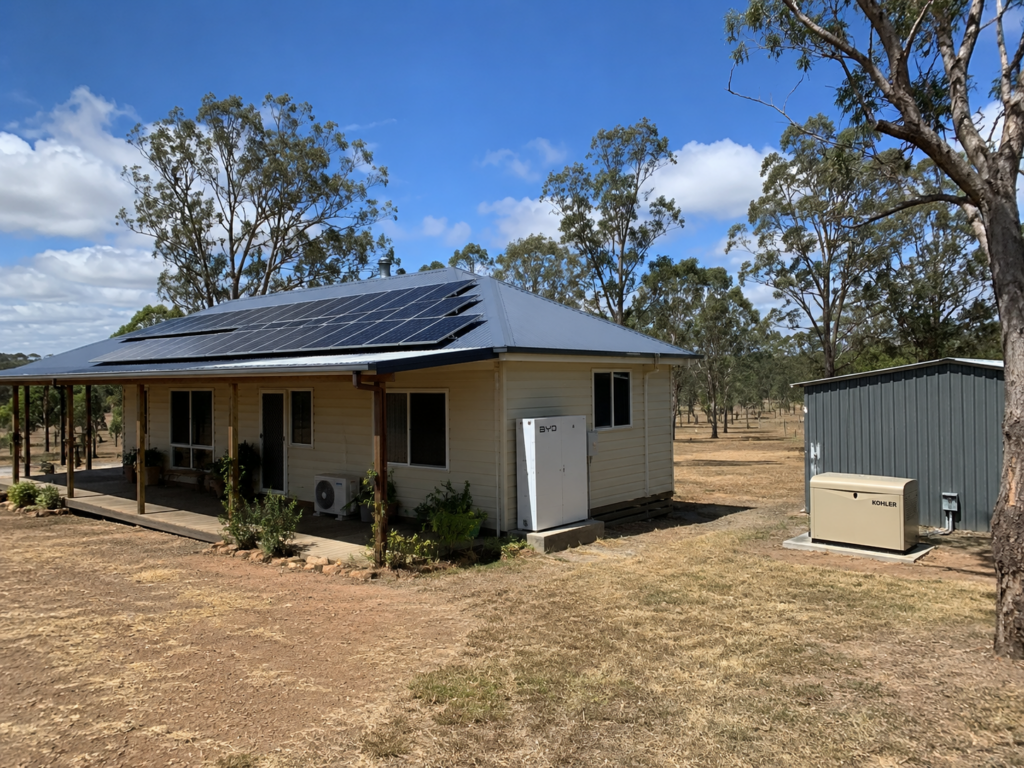
Off grid solar batteries can save a rural home, farm, shed or small business from generator stress, but the wrong choice can quietly cost you for years. Most problems start when the battery is chosen before the whole property has been properly assessed. Your daily power use, site conditions, backup needs, future plans and inverter setup all affect what will work. You might be comparing battery brands, checking reviews, or looking at complete storage options for a new system in Queensland or Northern NSW. That research helps, but it can only take you so far. Stand Alone Power Systems helps buyers avoid guesswork by designing systems around real power use, property layout and how the system needs to perform each day.
TLDR
Choosing the wrong off grid solar battery can lead to higher costs, poor performance and unreliable power, especially on rural properties. The main mistakes include sizing the battery before understanding real daily loads, focusing only on usable capacity, ignoring future expansion, assuming all lithium batteries perform the same, expecting the battery to fix poor system design, skipping approved product and installation checks, and comparing quotes without reviewing the design behind them. A reliable off grid setup needs the battery, solar input, inverter, backup generator and future power needs to work together from the start.
1. Choosing battery size before knowing your real loads
The first costly mistake is choosing battery capacity before you understand what the property actually uses. A fridge, pressure pump, internet modem, lights and kettle may sound simple enough, then someone adds a bore pump, air conditioning, workshop tools, an induction cooktop or an electric vehicle charger later on. Suddenly the battery that looked fine on paper is working too hard every night.
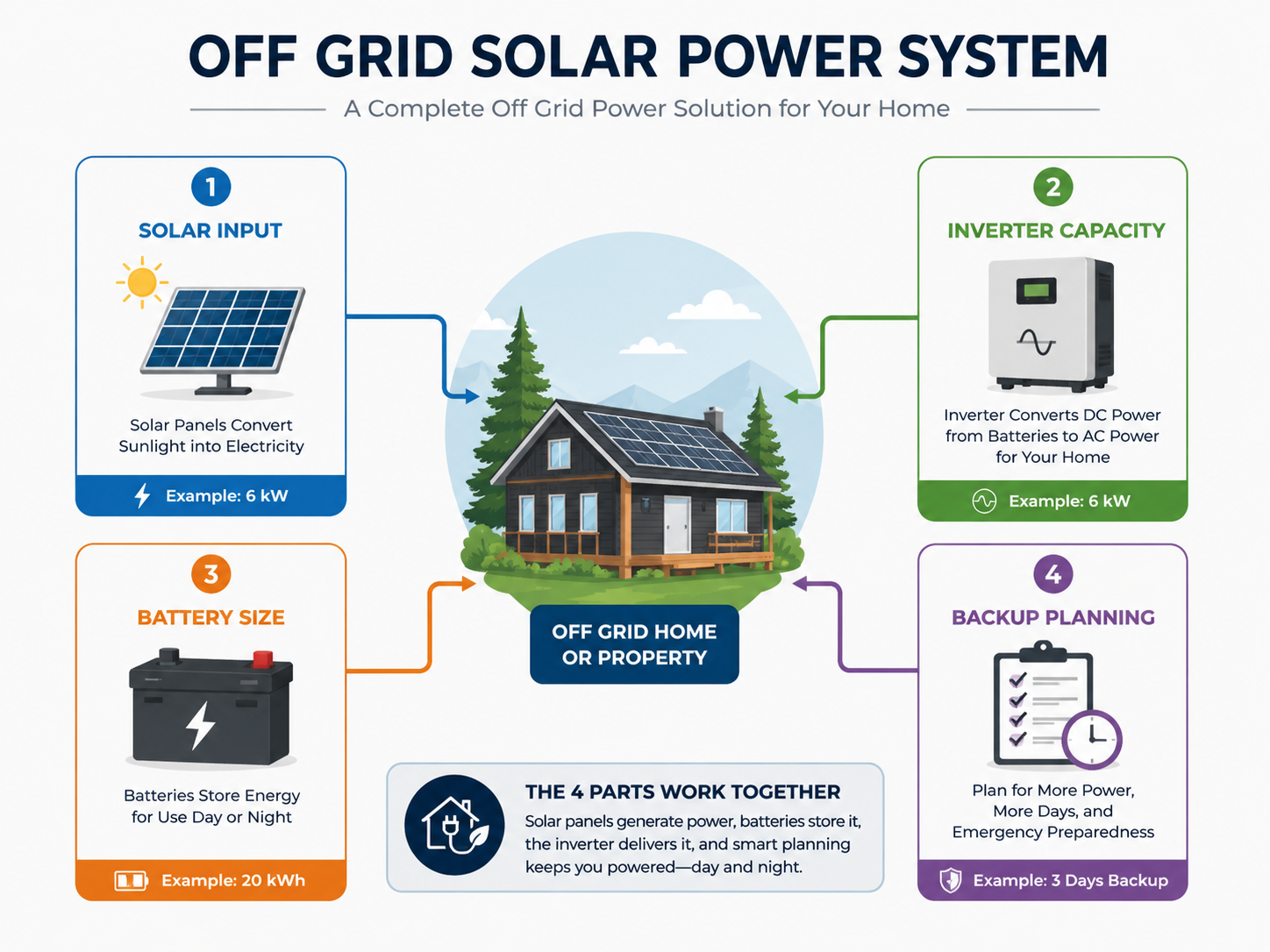
A proper load profile looks at what runs, how long it runs, when it runs and what might be added later. Stand Alone Power Systems designs off grid solar systems around real property use, so the battery, inverter, solar array and backup setup are matched before anything is installed.
2. Buying on usable capacity without checking the full system
Usable capacity matters, but it does not tell the whole story. Two batteries with similar advertised storage can behave differently once inverter pairing, discharge limits, warranty conditions, generator settings and installation environment come into play. Battery storage is a system design decision, so it needs to be checked against the inverter, solar array, charge controller and backup power source. A product such as Pylontech US5000 may suit some scalable stand alone systems, but it still needs to be designed into the full setup properly. Stand Alone Power Systems can assess whether a Pylontech US5000 battery storage option is suitable for the way the property will actually use power.
3. Ignoring future expansion until it becomes expensive
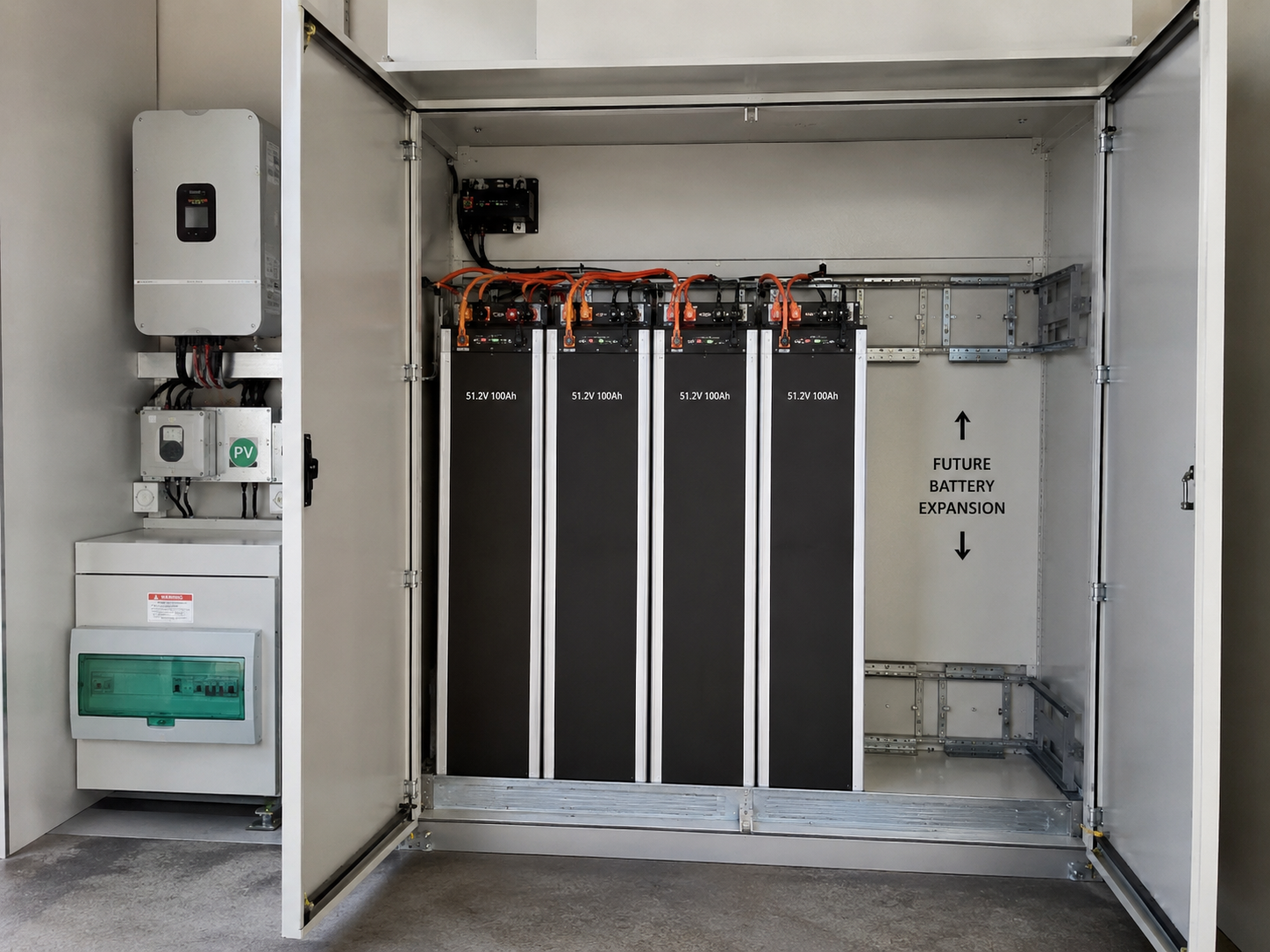
Many buyers plan for today’s power use, then realise later that they need more storage. That might happen after a family moves in full time, adds a second dwelling, builds a cool room, installs more pumps or starts using power tools more often. Some battery setups can scale neatly, while others may need changes to cabling, protection equipment, inverter capacity or installation layout. Ask how expansion works before the first install happens. A site specific design process can allow for realistic future load growth, helping buyers avoid a system that becomes restrictive too soon. This is especially important on rural properties, where power needs often change as the property develops.
4. Treating all lithium batteries like they are the same
Lithium batteries are common in modern off grid systems, yet they vary in important ways. Chemistry, battery management systems, warranty conditions, inverter communication and local support can all affect long term performance.
A Pylontech US5000 may suit one project because of its modular format and compatibility requirements, while a PowerPlus ECO4840P may be considered for another site where local support, inverter compatibility and scalability are important.
The right choice depends on the job, the property and the full system design, not just the brand name. Stand Alone Power Systems’ battery comparison review gives buyers a useful starting point for looking beyond brand name and price.
5. Expecting the battery to solve every reliability issue
A strong battery will not fix weak system design. People often focus on storage because it is easy to compare, while solar array size, inverter capacity, charge control, generator integration and load management receive less attention. A reliable off grid setup needs enough solar input to recharge properly, enough inverter capacity to run heavy loads, and enough backup planning for wet weather or unusual demand. For rural and remote properties, an outage can affect water, refrigeration, security, internet and daily comfort. The Australian Government’s solar PV and batteries guidance is a useful starting point, but a property specific design is what turns general advice into a workable system.
6. Skipping approved products and qualified installation checks
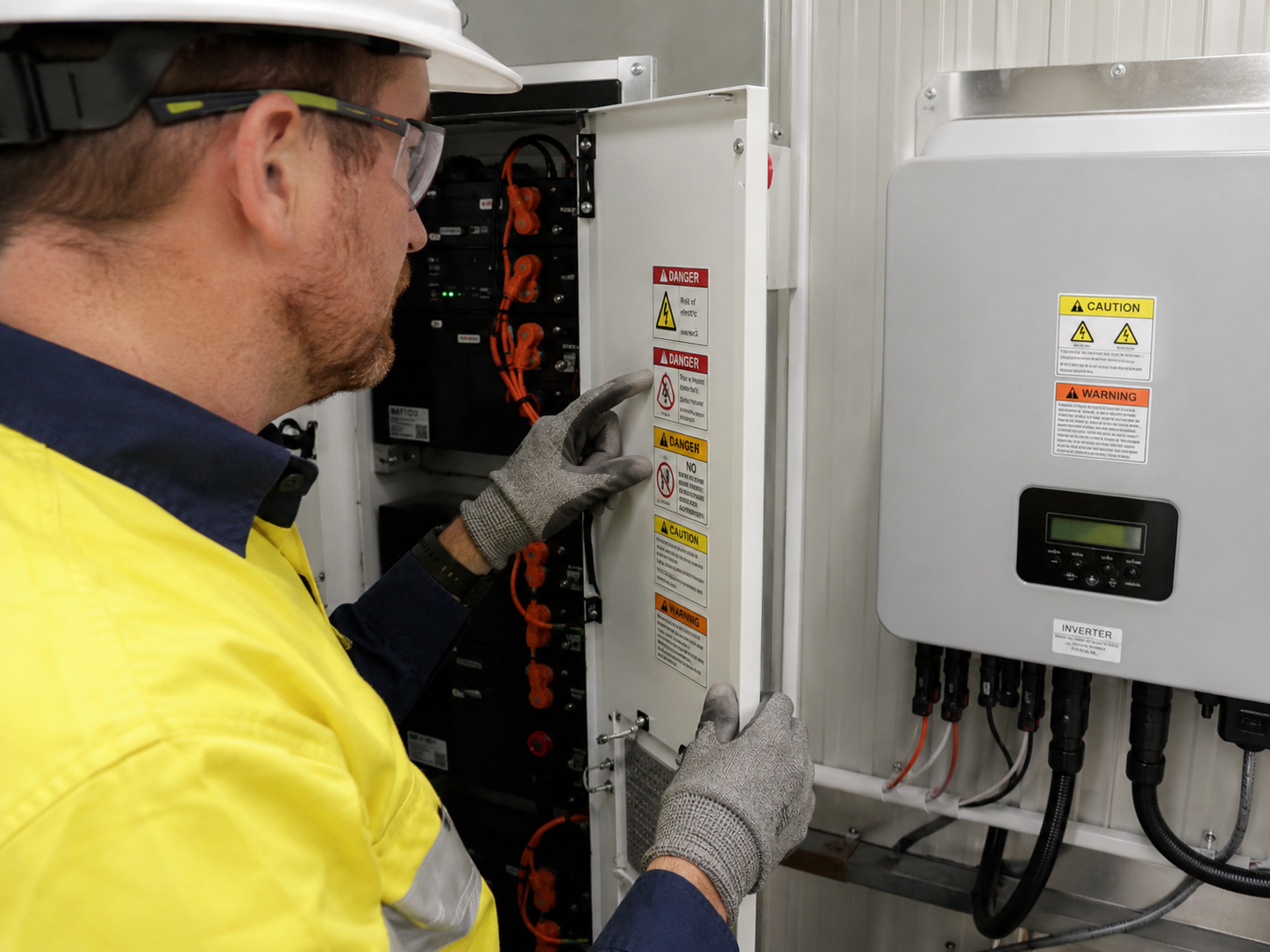
Battery storage is not the place to take shortcuts. Approved products, safe installation, correct commissioning and proper documentation protect the property and the people using it. The Clean Energy Council keeps an approved batteries list, and some programs or installations may require products and installers to meet specific conditions. Buyers do not need to become standards experts, but they should understand what is being installed and why it has been selected. Stand Alone Power Systems also explains the importance of CEC approved off grid solar components, which is helpful when comparing quotes that look similar on the surface.
7. Comparing quotes without comparing the design behind them
A quote can look cheaper because it includes less. Less battery capacity, less solar generation, weaker backup planning, smaller inverter capacity, limited monitoring, lower quality components or fewer hours for commissioning can all make the number look attractive.
Buyers should compare the design behind the quote, not just the final price. Ask what daily energy use the system was sized for, how many cloudy days it allows for, what happens when the battery reaches its limit, and how support works after installation.
Stand Alone Power Systems uses a detailed off grid solar quote process because the answer should suit the site, usage pattern and level of reliability required.
Quick buyer checklist before choosing a battery
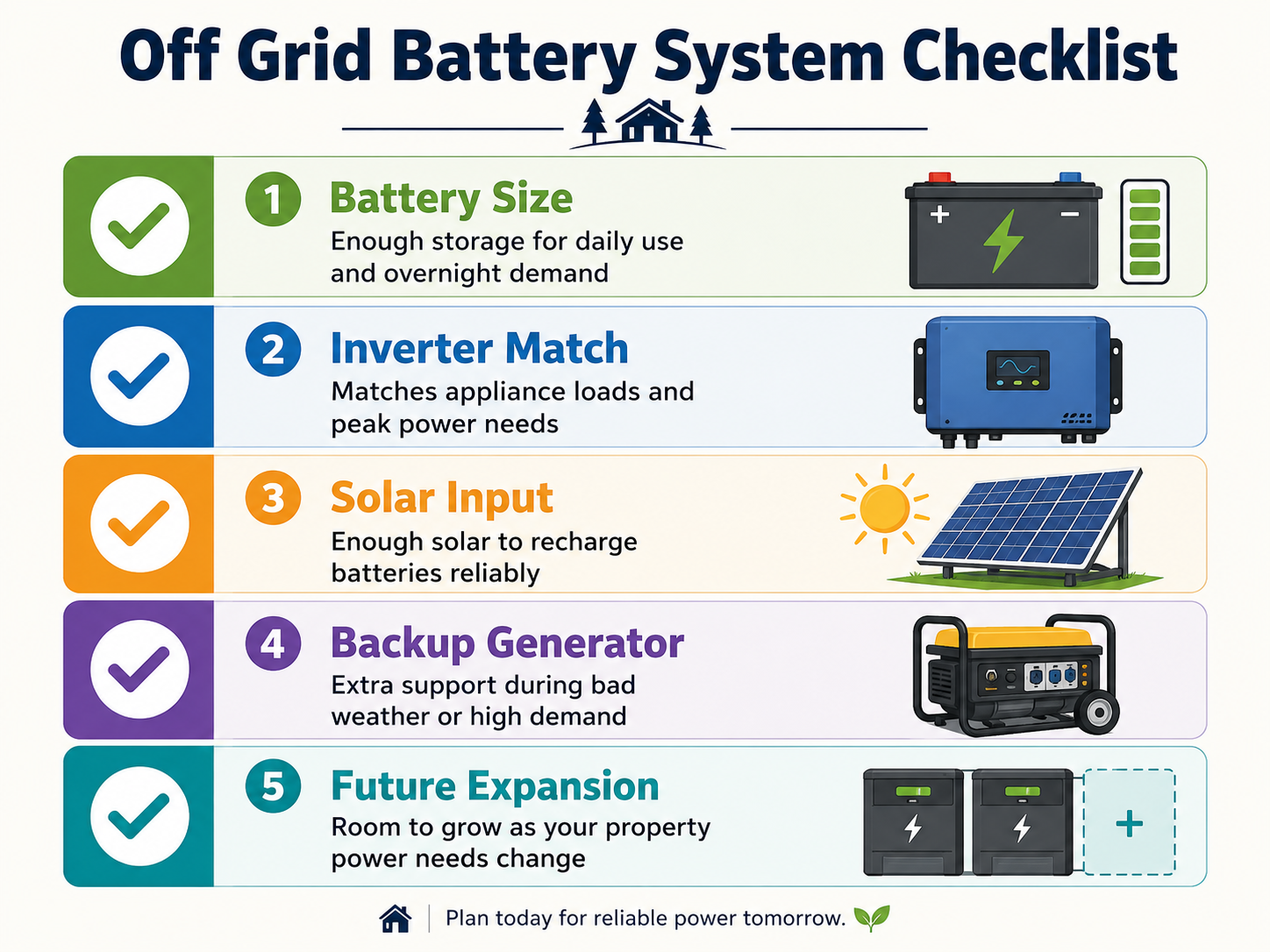
Before you lock in a battery system, slow down and check the essentials. Your battery choice should match your daily loads, night time use, peak demand, cloudy day allowance and future appliance plans. It should also work cleanly with your inverter and backup generator, especially on rural properties where power problems can affect water, refrigeration, security, internet and daily comfort. A supplier should be able to explain how the system has been sized, why the products have been selected and what happens when conditions change. If those answers are vague, it is worth pausing before you commit.
Get expert advice before you buy
The most expensive battery mistakes usually come from small assumptions made early. A little undersizing here, a vague quote there, a missing expansion plan, or a battery chosen because it was available rather than suitable.
Good advice at the start can prevent those problems from becoming expensive later. If you are comparing off grid solar batteries for a rural home, farm, shed, cabin or commercial site, speak with Stand Alone Power Systems before you buy.
We can help you work through your power needs, compare suitable storage options and plan a stand alone power system that is designed for your property.
Frequently asked questions
What size battery do I need for an off grid home?
The right battery size depends on daily energy use, night time demand, peak loads and how much backup you want during poor weather. A small cabin may need far less storage than a full time rural home with pumps, refrigeration, air conditioning, power tools or multiple occupants. A good design process starts with a load profile, then matches the battery bank, inverter and solar array around that use. Stand Alone Power Systems can help assess your property’s likely demand and recommend a system that suits the way you plan to live or work off grid, rather than relying on a single number from an online estimate.
Is Pylontech US5000 a good option for off grid systems?
Pylontech US5000 can be a strong option when the system is designed around its strengths, especially where modular storage and inverter compatibility are important. Still, no battery should be picked by brand name alone. It needs to be assessed against your usage, the inverter, installation environment, warranty conditions and future expansion plans. The same applies to other battery brands. Stand Alone Power Systems can help buyers compare battery products against the full off grid setup, so the final decision is based on practical fit. If the battery suits the system design, it can be a good option. If the design is wrong, even a respected product can underperform.
Can I add more batteries later?
Sometimes, yes, but it depends on the original system design, battery model, inverter capacity, available space, cabling, protection equipment and manufacturer requirements. This is why future expansion should be discussed before installation, even if you do not need extra storage right away. If you plan to add a second dwelling, larger pumps, more refrigeration, a workshop or extra appliances, mention it early. A designer can then allow for practical growth instead of treating expansion as a surprise later. That planning can make future upgrades cleaner, safer and less disruptive than trying to stretch a system that was never built to grow.
Do off grid batteries need a backup generator?
Many off grid systems include generator backup, especially for rural properties that need reliable power through long periods of poor weather or unusually high demand. The generator should be planned as part of the full setup from the beginning. It needs to work with the battery, inverter and charging system so the property has a practical backup plan when solar production is low. Generator backup can also reduce stress on the battery during unusual load periods, provided it is configured properly. Stand Alone Power Systems can include backup planning as part of the system design, helping reduce the risk of power shortfalls when conditions change.