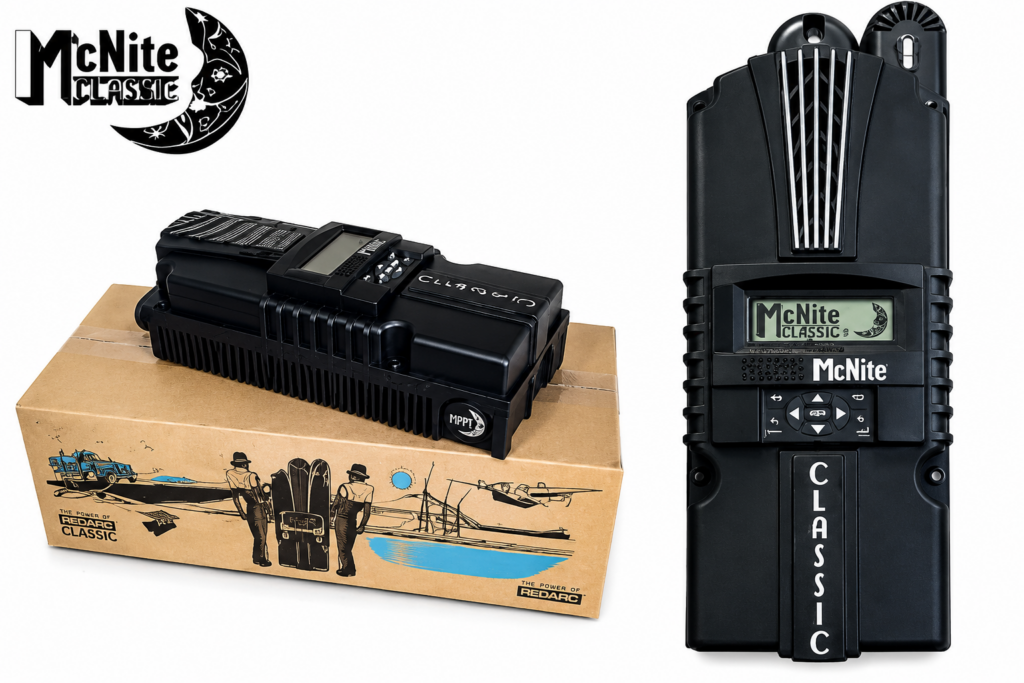
A charge controller regulates the power generated by solar panels, wind turbines or other compatible energy sources before that power reaches the battery bank.
Its job is to make sure the batteries receive the correct voltage and charging profile while helping prevent overcharging, which can damage batteries and reduce their service life.
For an off grid system, the charge controller is one of the key components responsible for managing how renewable energy is used to recharge the battery bank.
What Does a Charge Controller Do?
A charge controller sits between the renewable energy source and the battery bank, managing the charging process as power is generated.
Depending on the system and controller, its role can include:
- Regulating voltage and charging current
- Helping prevent battery overcharging
- Managing charging stages for the battery bank
- Monitoring system performance
- Providing protection against certain electrical faults
The right charge controller needs to be selected around the solar array, battery voltage, charging requirements and overall stand alone power system design.
Monitoring an Off Grid Power System
Many charge controllers require separate monitoring equipment to display information about charging performance, battery voltage and system status.
Modern monitoring technology can make this information easier to access through phones, tablets or computers, depending on the equipment being used.
For remote properties, being able to monitor the system without standing in front of the equipment can be particularly useful.
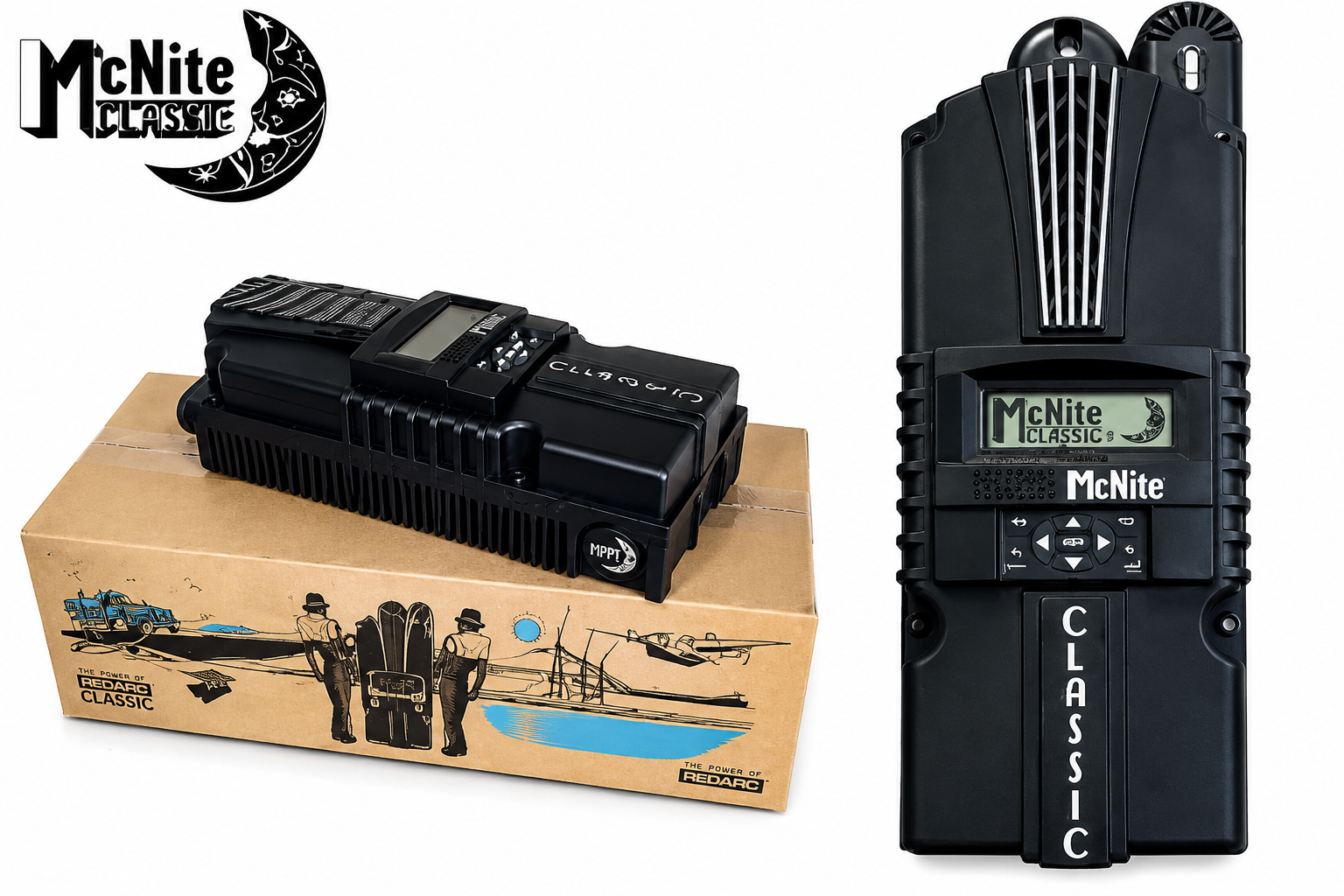
MidNite Classic Solar Charger
MidNite Solar produces charge controllers and other equipment for renewable energy and off grid applications.
The MidNite Classic Solar Charger is one option designed to combine battery charging with system monitoring and control features.
Depending on the system configuration, monitoring can provide information about:
- Battery voltage and system status
- Battery temperature
- Solar charging performance
- Potential system alarms or faults
- Historical system information
Remote Monitoring for Rural Properties
Remote monitoring can be particularly valuable on rural and off grid properties where the solar and battery equipment may be installed away from the main house or where technical support requires significant travel.
Being able to check the charging system remotely can help owners identify unusual battery conditions or reduced solar production before the issue becomes more serious.
The available monitoring functions depend on the specific controller, communication hardware and network connection installed with the system.
Multiple Renewable Energy Inputs
Some remote properties use more than one renewable energy source.
Depending on the overall system design, power may come from sources such as:
- Solar panels
- Wind generation
- Hydro generation
- Other compatible renewable energy sources
When multiple sources form part of a stand alone system, the charge control equipment needs to be selected and configured around the voltage, current and charging characteristics of those inputs.
Electrical Protection and Arc Fault Considerations
Electrical protection is an important part of any off grid solar system.
Some charge controllers include additional protection features designed to identify electrical faults and reduce the risk of damage to connected equipment.
That protection should still form part of a broader system design that includes appropriate:
- Fuses and circuit breakers
- DC isolation
- Correct cable sizing
- System earthing
- Surge protection where required
- Battery and inverter protection
Choosing the Right Charge Controller
There is no single charge controller that is right for every off grid system.
The selection should consider:
- Solar array size and voltage
- Battery bank voltage
- Battery chemistry and charging requirements
- Maximum charging current
- Monitoring requirements
- Future solar expansion
- Compatibility with the inverter and other system equipment
A charge controller should be sized as part of the complete stand alone power system rather than selected independently from the solar array and battery storage.
Talk to an Experienced Off Grid Installer
If you are planning a new stand alone power system or reviewing the charging equipment in an existing installation, Stand Alone Power Systems can help assess the solar array, batteries, inverter and charging requirements together.
We can help determine the appropriate charge controller capacity and configuration for the way your property actually uses power.