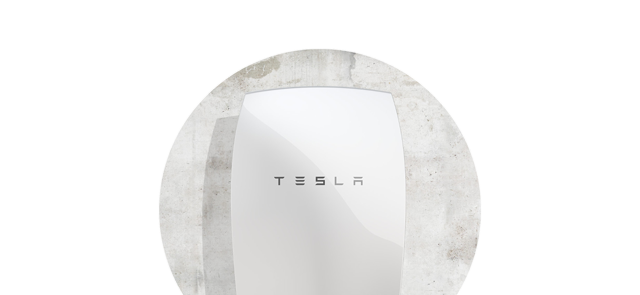
Tesla Powerwall and other hybrid battery systems helped bring home battery storage into the mainstream Australian market. They gave homeowners a way to store solar energy and use more of their own generation after the sun went down.
But there is an important difference between using a battery as part of a grid connected hybrid system and designing a property to operate completely off grid.
A battery system may be technically capable of supporting off grid operation, but whether it is suitable depends on total storage capacity, daily energy use, solar generation, inverter capability and how many days of autonomy the property requires.
Can a Tesla Powerwall Work Off Grid?
In principle, a battery storage system such as the Tesla Powerwall can form part of an off grid setup, but the battery itself is only one part of the system.
A fully off grid property needs enough stored energy to support the home when solar production is low, particularly overnight and through consecutive cloudy days.
The system also needs:
- Enough solar generation to recharge the battery bank
- An inverter system capable of supplying the property’s peak loads
- Battery capacity matched to daily consumption
- Appropriate monitoring and power management
- Backup generation where required for extended poor weather
This is why an off grid system cannot be assessed from battery capacity alone.
Hybrid Battery Storage vs Fully Off Grid Power
A hybrid solar system normally combines solar generation, battery storage and grid electricity.
During the day, solar can supply household loads and recharge the battery. At night, the home can draw from stored battery energy. If the battery runs low, the grid can provide additional electricity.
A fully off grid property does not have that permanent grid safety net.
If the batteries are depleted after several days of poor solar production, the system needs another source of energy, typically a backup generator, or enough additional solar and storage capacity to carry the property through those conditions.
Battery Capacity Makes a Big Difference
One of the biggest differences between a standard hybrid battery installation and a dedicated off grid system is the amount of stored energy required.
A grid connected battery may only need enough storage to cover evening usage or provide short term backup.
An off grid battery bank is usually designed around:
- Daily household energy consumption
- Night time loads
- Required days of autonomy
- Seasonal solar production
- Battery usable depth of discharge
- Generator backup strategy
For many full time off grid homes, the required storage can be considerably larger than a standard residential hybrid battery system.
What Happens During Several Cloudy Days?
This is where off grid system design becomes especially important.
If solar production is poor for one or more days, the property continues drawing from the battery bank. The system needs enough stored energy to maintain essential loads until solar conditions improve or backup generation becomes necessary.
A smaller hybrid battery may work well when the grid is available to provide backup, but the same amount of storage may not be enough for a property operating independently from the network.
Can You Simply Add More Batteries?
Increasing compatible battery capacity can be part of the solution, but simply adding more batteries does not automatically create a well designed off grid system.
The additional storage also needs enough solar generation to recharge it within a reasonable period.
When increasing battery capacity, the complete system should be checked for:
- Solar array capacity
- Battery compatibility
- Inverter capacity
- Charging capability
- Electrical protection
- Available installation space
- Backup generation
Why Off Grid Systems Usually Need More Storage
A dedicated stand alone power system is generally designed with more battery autonomy because there is no grid connection to fall back on.
Additional battery capacity can provide:
- More stored energy for overnight use
- Greater resilience through cloudy weather
- Reduced generator dependence
- More flexibility for household loads
The right amount of storage varies considerably between properties, so battery capacity should always be calculated from actual energy requirements.
Is Tesla the Right Battery for an Off Grid Property?
That depends on the complete system design.
Important questions include:
- How much electricity does the property use each day?
- How much battery autonomy is required?
- How much solar can be installed?
- What are the largest household or property loads?
- Is generator backup acceptable?
- Can the battery system be expanded if energy use increases?
A battery that performs well in a suburban hybrid setup may not necessarily provide the storage or flexibility required for a remote full time off grid property.
Design the Complete Off Grid System First
The battery brand should not be the starting point for a stand alone power system.
The design should begin with the property’s energy requirements and then determine the appropriate combination of:
- Solar array size
- Battery storage
- Inverter capacity
- Charging equipment
- Generator backup
- Monitoring and control
Once those requirements are understood, the most suitable battery options can be compared based on compatibility, storage capacity, support and future expansion.
Talk to an Experienced Off Grid Installer
If you are considering Tesla battery storage or another battery system for an off grid property, Stand Alone Power Systems can assess whether it suits the way your property will actually use power.
We design the solar array, battery bank, inverter equipment and backup power as one complete system rather than selecting components individually.
Get in touch with us to discuss your property and the level of battery storage required for reliable off grid operation.