For homeowners in rural Queensland and across Australia, going off grid is no longer just a dream. It can be a practical and sustainable way to power a home, farm or lifestyle property.
One of the biggest design decisions is whether to invest in a larger battery bank or rely more heavily on a diesel generator for backup power.
Both approaches have advantages and limitations. The right balance depends on daily energy use, budget, solar availability, generator access and how much maintenance you are prepared to manage.
Understanding Off Grid Power Systems
A typical off grid solar system combines solar panels, battery storage and, in many cases, generator backup.
- Solar panels capture sunlight and convert it into electricity
- Batteries store energy for use when solar production is low
- A diesel generator can provide backup power during extended cloudy periods or unusually high demand
The balance between battery capacity and generator support is important. Oversizing either can increase upfront costs, while undersizing the system can leave the property short of usable power when conditions are poor.
The Case for Bigger Batteries
Modern lithium battery systems such as BYD Battery Box LV Flex, Pylontech US5000 and PowerPlus lithium batteries make it possible to store significant amounts of energy for off grid homes.
Advantages
- Clean and quiet operation Batteries do not produce the same noise or exhaust emissions as diesel generators
- Lower ongoing operating costs Once the battery system is installed, stored solar energy does not require fuel purchases
- Long term storage capability Modern lithium batteries can provide many years of cycling when correctly specified and managed
- Expandable options Many modern battery systems are modular, allowing additional capacity to be added where compatible
Disadvantages
- Higher upfront cost Increasing battery capacity can add substantially to the initial system investment
- Finite stored energy Even a large battery bank can eventually run low during extended poor solar conditions
- Future replacement costs Batteries have a finite service life and will eventually need replacement or refurbishment
The Case for Diesel Generators
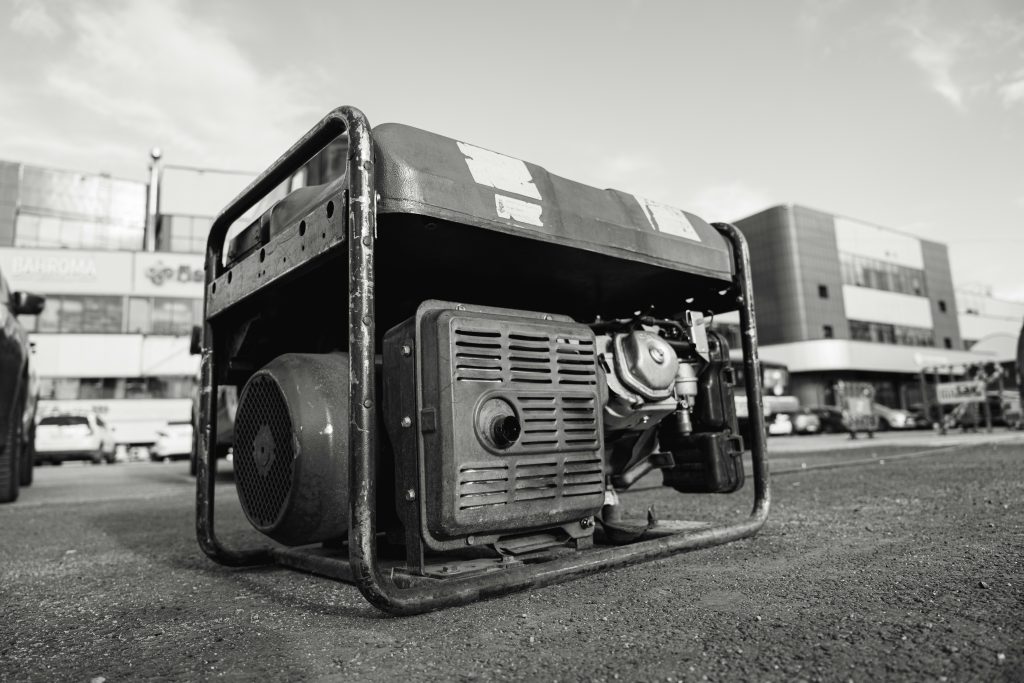
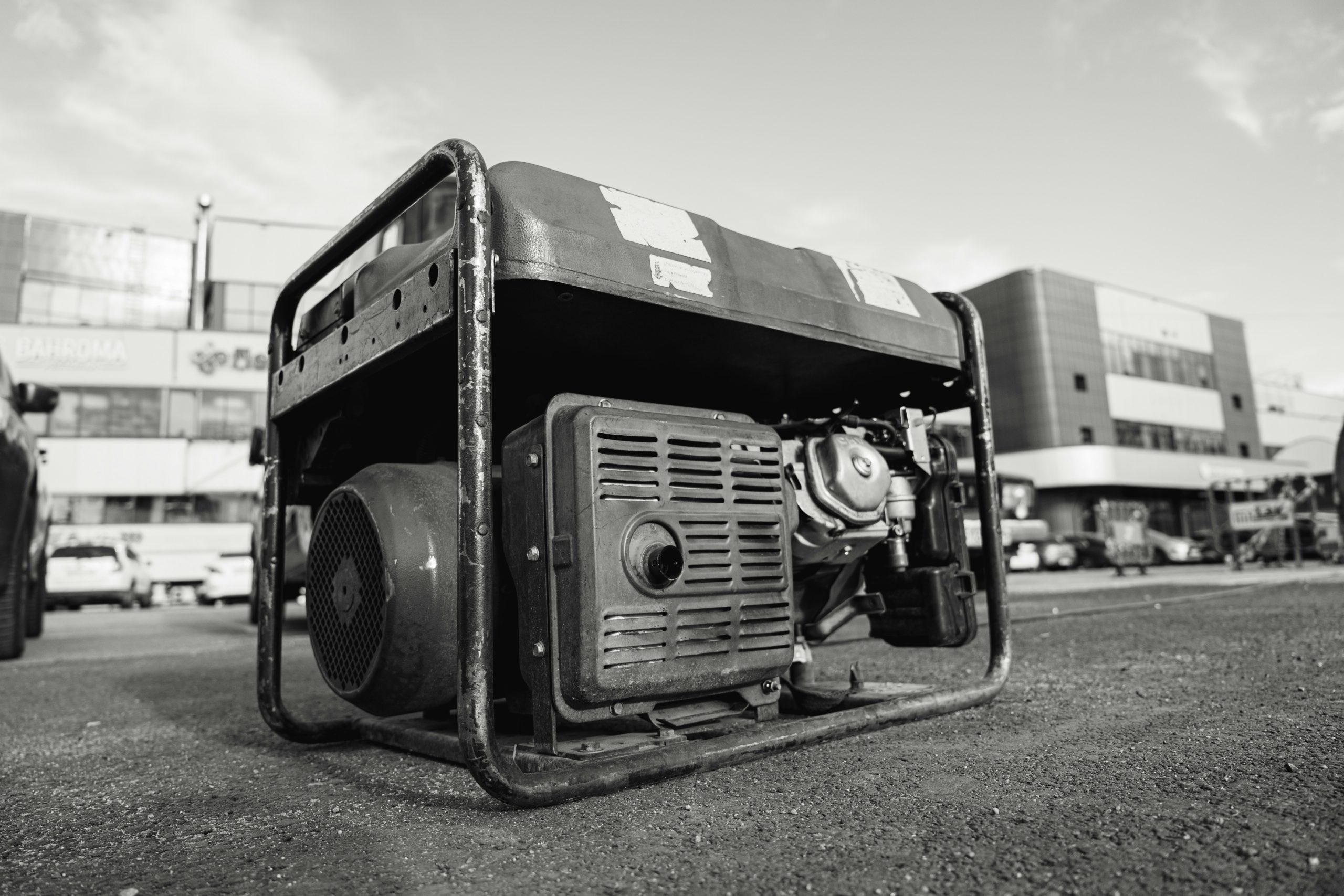
A diesel generator remains a common backup option for off grid properties. It can supply power or recharge the battery bank when solar production is insufficient.
Advantages
- Lower initial cost A generator can cost considerably less upfront than adding a large amount of battery storage
- Extended backup capability As long as fuel is available, the generator can continue supplying energy
- Useful for high loads Generator support can help manage unusual or short duration heavy power demand when the system is designed appropriately
Disadvantages
- Fuel costs Diesel prices fluctuate and regular generator use can become expensive
- Noise and exhaust Generator operation produces sound and emissions that need to be managed
- Maintenance Servicing, oil changes and general maintenance are required
- Fuel and mechanical dependence Generator faults or fuel supply problems can reduce backup reliability
Cost Comparison Between a Generator and Bigger Battery Bank
The cost difference depends heavily on system size, battery chemistry, generator quality, fuel use and how often the generator runs.
An indicative comparison for an off grid property using around 20 kWh per day could look like this:
| Component | Initial Cost | Ongoing Cost | Typical Planning Consideration |
|---|---|---|---|
| Solar and inverter system with larger lithium battery bank | Higher upfront investment | Low routine energy cost | Battery capacity, replacement planning and solar recovery |
| Diesel generator backup | Lower initial cost | Fuel and servicing costs | Generator run time, maintenance and fuel availability |
In the short term, a generator can appear cheaper because of its lower purchase cost. Over a longer period, frequent fuel use and servicing can make larger battery storage more attractive where the property has enough solar generation to recharge it effectively.
System Design Considerations
Energy Usage
- Higher daily usage may justify additional battery capacity
- Lower average usage with occasional heavy loads may still benefit from generator backup
Solar Generation
- Strong Queensland solar conditions can reduce the amount of generator support required
- Extended wet weather or seasonal low solar periods still need to be considered
Lifestyle Requirements
- Homes and lifestyle properties may prioritise quiet battery based operation
- Workshops, farms and sites with heavy equipment may require additional backup power capability
Maintenance
- Battery systems generally require monitoring rather than routine mechanical servicing
- Generators require regular servicing, oil changes and fuel management
Battery Options to Consider
Battery storage should always be selected around the full system design, but some modular lithium options commonly considered for off grid applications include:
- BYD Battery Box LV Flex modular battery storage suitable for compatible scalable systems
- Pylontech US5000 modular lithium battery storage widely used in off grid installations
- PowerPlus lithium batteries Australian battery storage options with local support
The amount of storage required depends on daily consumption, expected cloudy day autonomy, solar array size and how often generator backup is acceptable.
Practical Tips for Off Grid Homeowners
- Consider a combined approach A moderate battery bank paired with a suitable generator can provide a practical balance between cost and reliability
- Monitor energy use Tracking daily consumption and solar production helps identify when the generator is actually needed
- Allow suitable battery reserve Additional storage can reduce generator run time during poor weather
- Plan generator fuel and maintenance Backup power is only useful if the generator is ready when required
- Use a properly designed system Solar, battery storage, inverter capacity and generator backup should be sized together
Long Term Cost Considerations
A diesel generator may have a lower upfront cost, while a larger battery bank can reduce fuel consumption and mechanical servicing over time.
- Reduced generator fuel use
- Fewer generator operating hours and servicing requirements
- Quiet day to day operation
- Greater use of solar energy that would otherwise be unavailable after sunset
The best long term outcome often comes from balancing enough battery capacity for normal daily operation with generator backup reserved for extended poor weather or unusually high energy demand.
Which Option Is Better?
Choosing between a diesel generator and a larger battery bank depends on the property, budget and expected energy use.
- Generators provide lower cost backup capacity but require fuel, servicing and ongoing operation
- Larger battery banks cost more upfront but provide quiet operation and can reduce routine generator dependence
For many properties, the most practical solution is not choosing one or the other exclusively. A properly sized battery bank combined with a generator used only when required can provide a strong balance between reliability, cost and convenience.
Talk to Us About Your Off Grid Power System
At Stand Alone Power Systems, we design solar, battery and generator systems around the actual energy requirements of each property.
We can help assess daily consumption, battery autonomy, solar generation, peak loads and generator requirements so the system is not unnecessarily oversized or left short of backup capacity.
If you are planning a new off grid home, farm, shed or workshop, we can help determine the right balance between battery storage and generator backup.