As a solar installer and designer, I receive many enquiries about lithium iron phosphate batteries for stand alone solar systems.
Lithium batteries are popular, but the right storage solution still depends on the property, system design, required autonomy and long term energy needs.
For some off grid installations, older battery technologies such as gel deep cycle batteries may still be worth considering alongside modern lithium options, particularly where large amounts of storage are required.
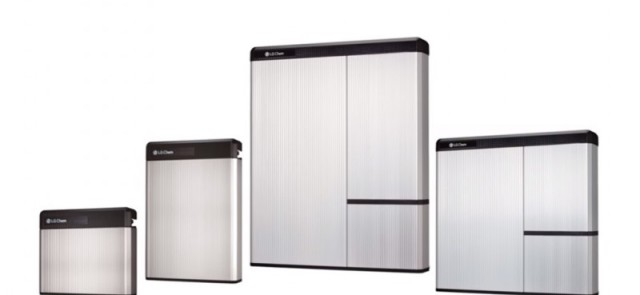
Do Lithium Batteries Stack Up for Off Grid Solar?
Many lithium batteries are commonly used in hybrid solar systems that combine solar generation, battery storage and grid supply.
In these systems, the grid can provide support when solar production and battery storage are not enough to meet demand.
For a fully off grid property, battery storage requirements are usually much greater because there is no permanent grid supply available to recharge the system during poor solar conditions.
The standard approach is to increase battery capacity by adding more compatible modules, but that is only one part of the design. Total storage, solar recovery, inverter capacity and generator backup all need to be considered together.
Hybrid Battery Storage and Fully Off Grid Systems
A hybrid battery system and a fully off grid battery system can have very different storage requirements.
A grid connected battery may only need enough capacity to cover evening use, reduce grid imports or provide limited backup power.
An off grid battery bank needs to support the property through night time use, cloudy weather and periods when solar production is lower than normal.
That means battery sizing should be based on the property’s actual energy profile rather than simply adding a standard residential battery to an existing solar array.
How Much Battery Storage Does an Off Grid Property Need?
Many off grid systems require considerably more storage than a typical grid connected battery installation.
The amount needed depends on:
- Daily household and property energy use
- Required days of autonomy
- Solar array size
- Seasonal solar production
- Battery chemistry and usable depth of discharge
- Generator backup strategy
For larger rural homes and properties, battery storage can be substantially higher than the capacities commonly used in standard hybrid installations.
Why Larger Storage Can Matter
From a system design perspective, having enough usable battery storage can provide several practical benefits.
- Less dependence on a backup generator during poor solar conditions
- More stored energy available for consecutive cloudy days
- Reduced pressure on the battery bank when the system is not routinely discharged to its limits
- Greater flexibility for overnight loads and changing household energy use
The goal is not simply to install the largest battery possible. Storage needs to be matched with enough solar generation to recharge it effectively.
Lithium Compared With Traditional Gel Batteries
Lithium batteries have become much more common in modern stand alone systems, but traditional gel deep cycle batteries have historically been used across many off grid installations.
The two technologies have different characteristics.
Lithium Batteries
- Higher usable depth of discharge in many modern systems
- Compact storage compared with many equivalent lead acid banks
- Strong charging and discharging efficiency
- Modular options available from many manufacturers
- Integrated battery management systems in many products
Gel Deep Cycle Batteries
- Established technology with a long history in off grid applications
- Can suit large battery banks where space is available
- Different charging and depth of discharge requirements from lithium
- May still suit certain existing systems depending on inverter and charging equipment
Existing Solar Systems and Battery Upgrades
If you already have a solar array and are considering adding battery storage, the existing system needs to be assessed before choosing a battery.
Important questions include:
- How much excess solar generation is currently available?
- What inverter and charger equipment is already installed?
- Is the existing equipment compatible with the proposed battery chemistry?
- How much usable storage is actually required?
- Will the system remain grid connected or move towards full off grid operation?
A battery upgrade should be designed around the complete system rather than selected on storage capacity alone.
Choosing Battery Storage for a Stand Alone System
For a new stand alone power system, the best battery choice depends on how the property uses energy and how the rest of the system is configured.
- Daily energy consumption
- Peak loads
- Required autonomy
- Available solar generation
- Generator backup
- Battery installation space
- Future expansion plans
- Product support and warranty
Modern lithium systems are now widely used for new installations, but every property should still be assessed individually before deciding on battery type and capacity.
Talk to an Experienced Off Grid Installer
Battery storage is one of the most important and expensive parts of a stand alone solar system, so getting the design right from the beginning matters.
At Stand Alone Power Systems, we assess the complete energy profile of the property before recommending battery capacity, solar generation, inverter equipment and backup power.
If you are considering lithium batteries, upgrading an older battery bank or adding storage to an existing solar system, get in touch with us to discuss the most practical option for your property.